It is often said that the most powerful weapon of war is food. Growing your own food is a stronger statement against corruption than you can imagine.

Escapade to a Sustainable Lifestyle
It is often said that the most powerful weapon of war is food. Growing your own food is a stronger statement against corruption than you can imagine.
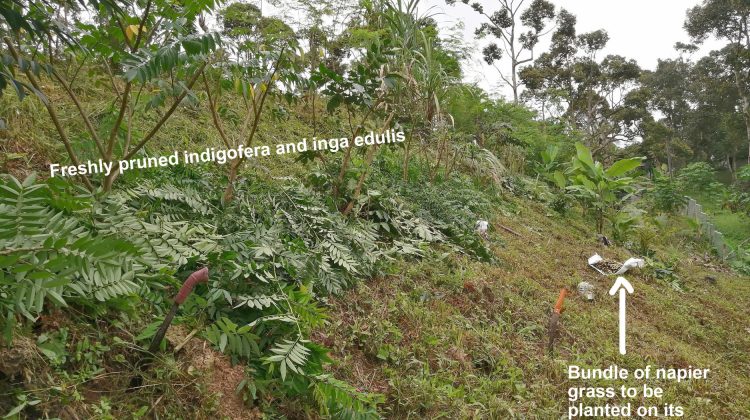
The wet season is here. Good news for new saplings to establish themselves. Bad news for undergrowth management works.
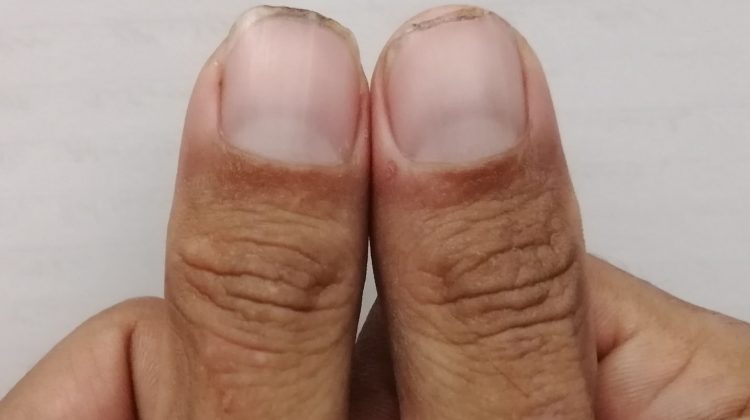
Picking bird’s eye chilies is back-breaking work, time consuming and tedious. They fetch a good price for a reason: it takes volume over a painfully long time to contribute to the coveted price per kilogram. However, selling it successfully is another story.

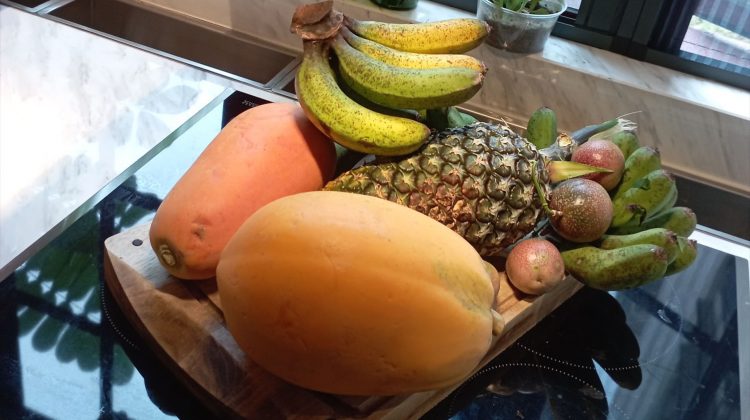
The cash crop of brinjals, calamansi limes, papayas, bananas and chillies are trickling in. Without full time workers and an established system, reaping satisfactory results from a mixed farming setup remains an elusive dream.

Having a dedicated BSFL structure to cultivate and produce BSFL in a methodical manner is key to having a consistent and reliable supply of animal feed. It’s an expensive investment but it should pay back in the long run.

From preparing the ground, sowing/growing, tending to crops, harvesting, grading and then packing to deliver all by myself; a small farmer’s job never ends. I guess a farmer can never really be called one until the process of selling is experienced.

Syntropic agroforestry is all about managing the succession of different plant species with different light and space requirements. But what happens when it’s attempted on difficult terrain?

Not only should kampung chickens be truly free ranging on pasture, they have to be fed a natural diet that is free of GMO corn/soy/commercial pellets to produce high quality eggs that is worthy of the premium price they command.

An integrated farm’s revenue should be as diverse as possible in accordance to one’s available labour resources and efficiency in system design. Stingless bee honey is next in line to be looked into.

It’s a durian bumper crop season this year! A number of trees that did not flower in 2020 began bearing fruits this year after a year long hiatus. All these production and yet no application of fertiliser. Food for thought.