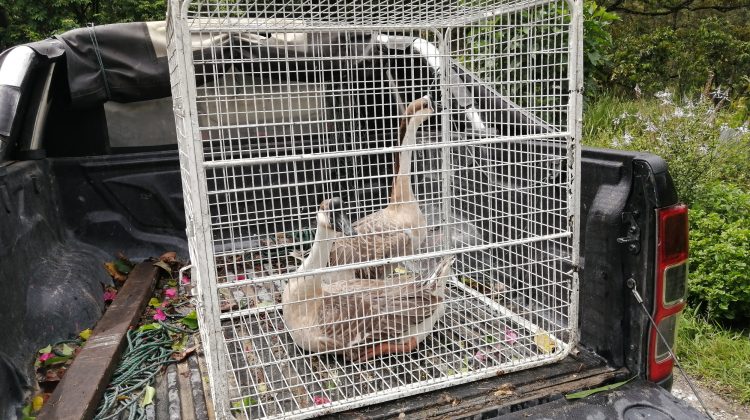
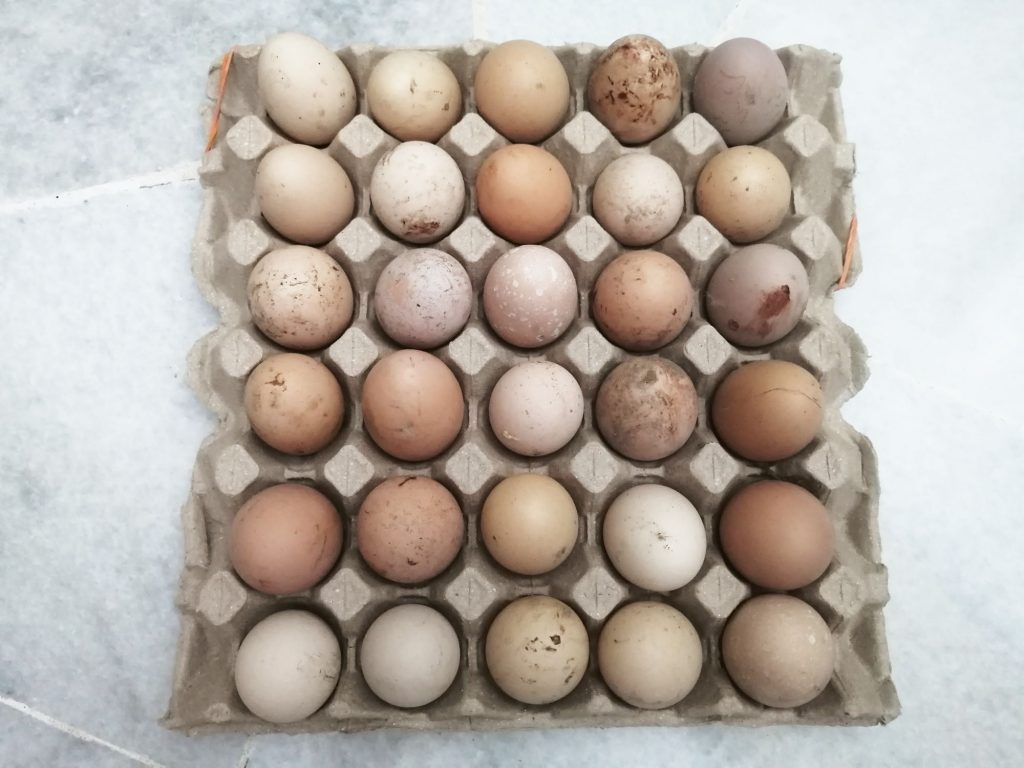
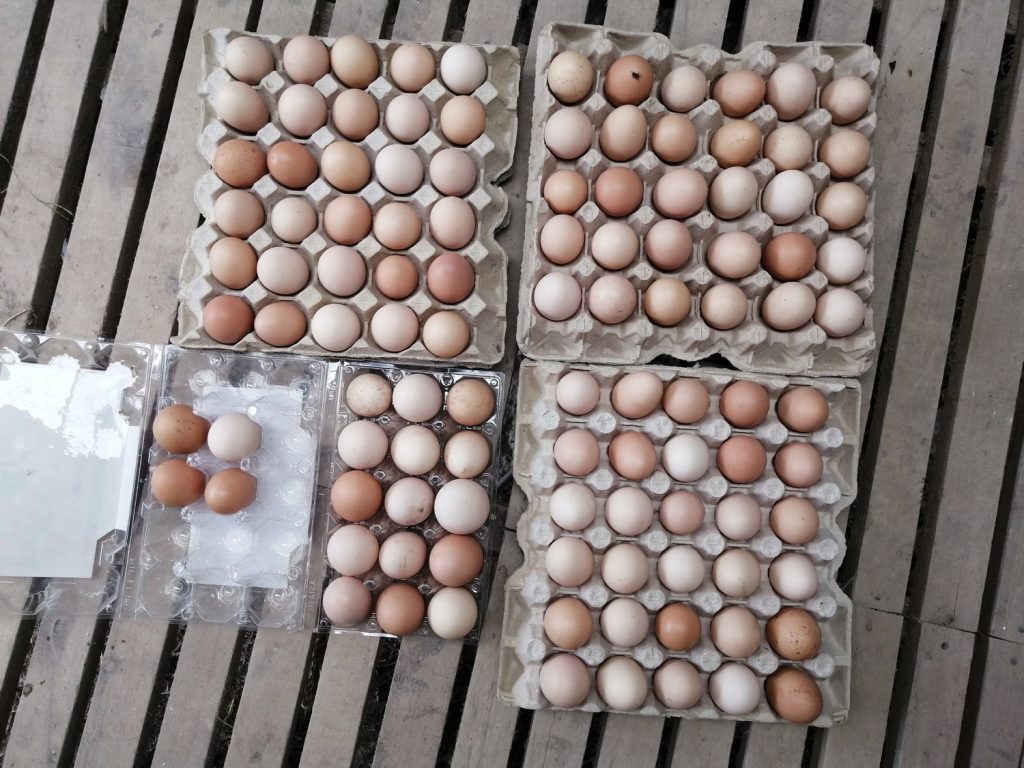
I’m averaging about at least 20 kampung chicken eggs daily from these free ranging, pasture-raised coloured broilers (~ 9 months old); all without a trace of commercial corn/soy-based feed or pellets. Only purchased inputs are broken rice and rice bran used sparingly in an ongoing experiment to continuously limit their usage in hopes of phasing them out.
The only “additives” (natural that is) I use are BSFL, azolla, duckweed, water hyacinth, ketum ayam, moringa, mulberry and indigofera. 100% natural. The key here is to not just produce any regular eggs, but nutrient-dense eggs that will help build up the body’s immune system. Nutrient-dense food for health is functional food for well being.
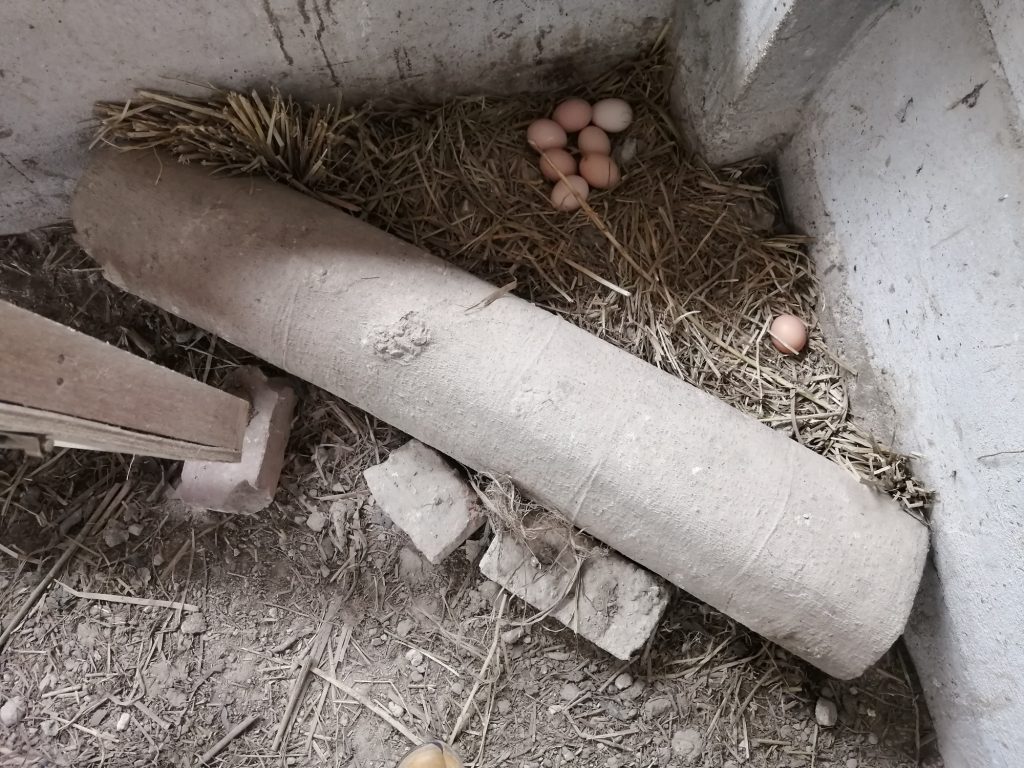
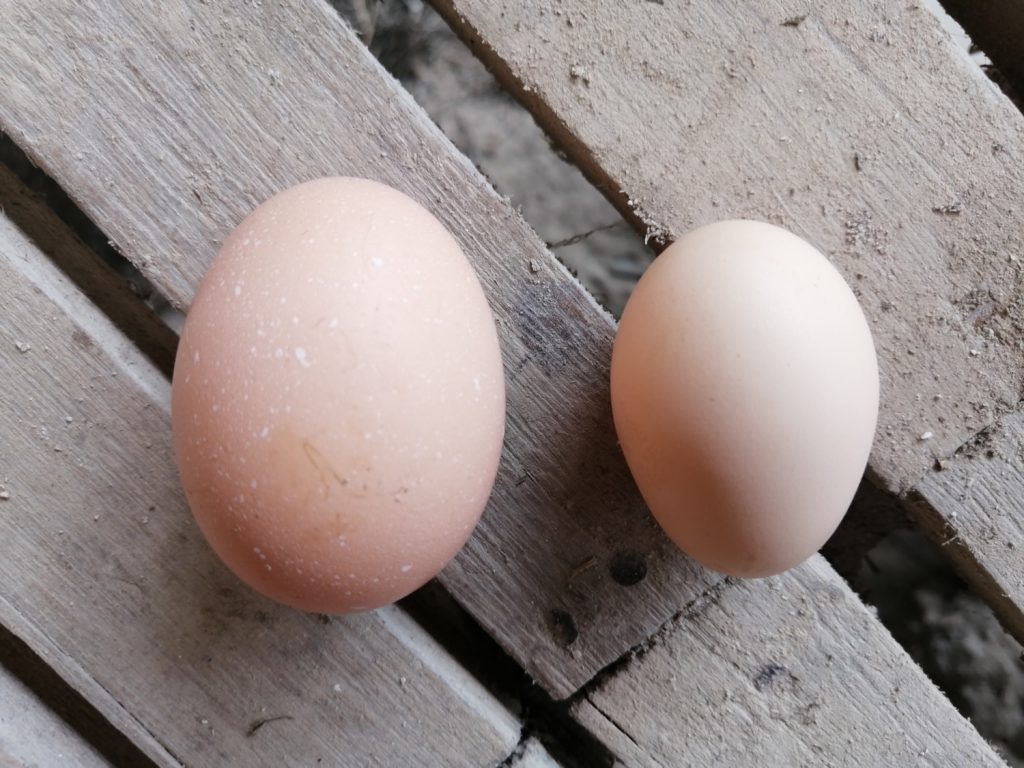
These kampung chicken eggs are currently priced at a limited time offer of RM 0.80 per piece as they are from ayam kampung kacuk (colored broilers). The ayam kampung asli (true breed ayam kampungs) chicken eggs are priced at RM 1.30 per piece. Unfortunately, unscrupulous sellers would be selling the former for the premium price of the latter. So it’s always a good thing to try to know your farmer, the type of chickens the eggs come from, their living conditions and what they are fed with.
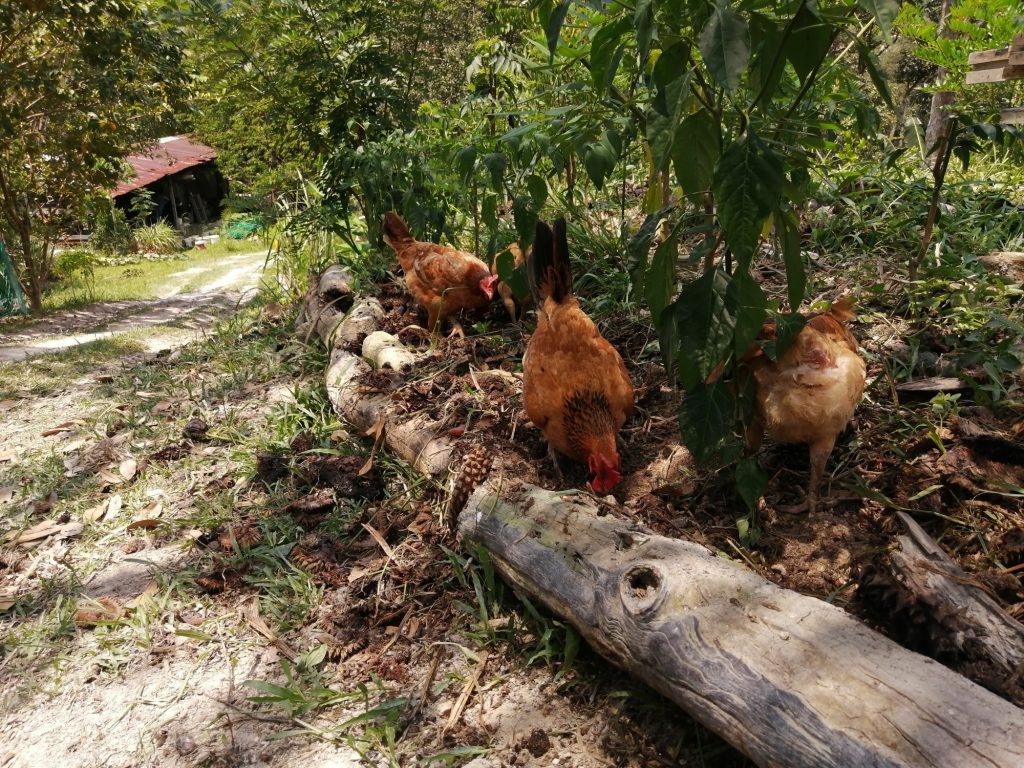
As the chickens are free ranging on pasture, there will come a time when the pasture would be denuded of vegetation. This is something to be avoided as bare soil leads to erosion and compaction. To overcome this, the chickens are moved or rotated through a series of fields to prevent the chickens from “overstaying”. Here below, you would see a batch of chickens being released into a freshly regenerated field after it has “rested” quite awhile.
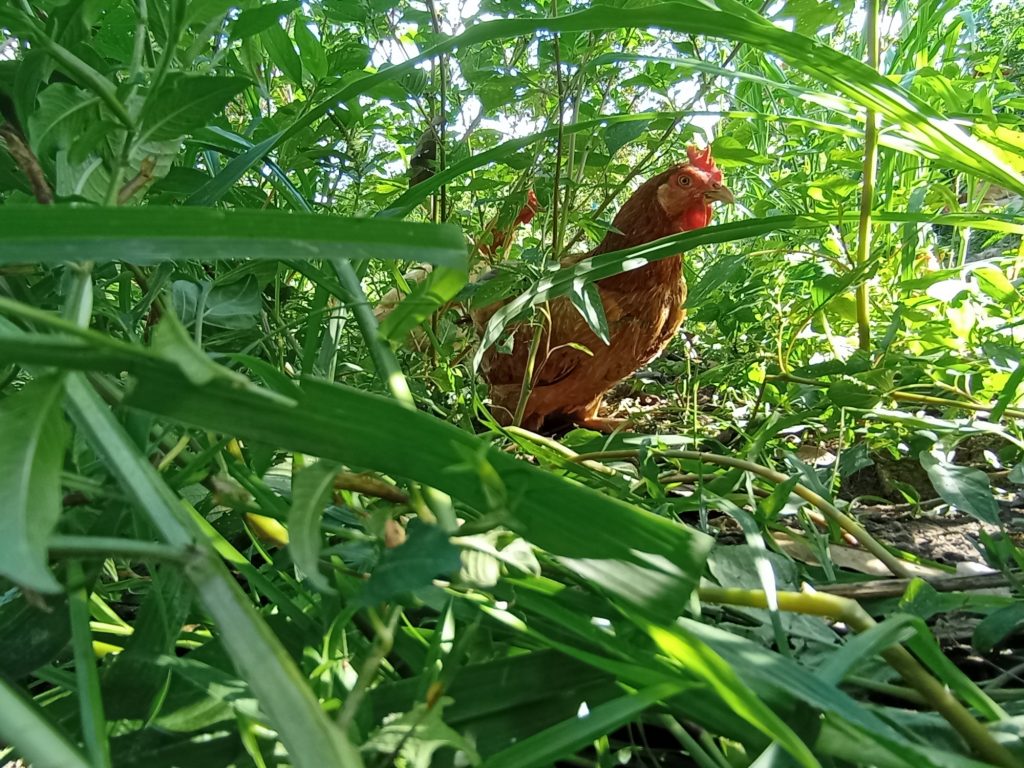
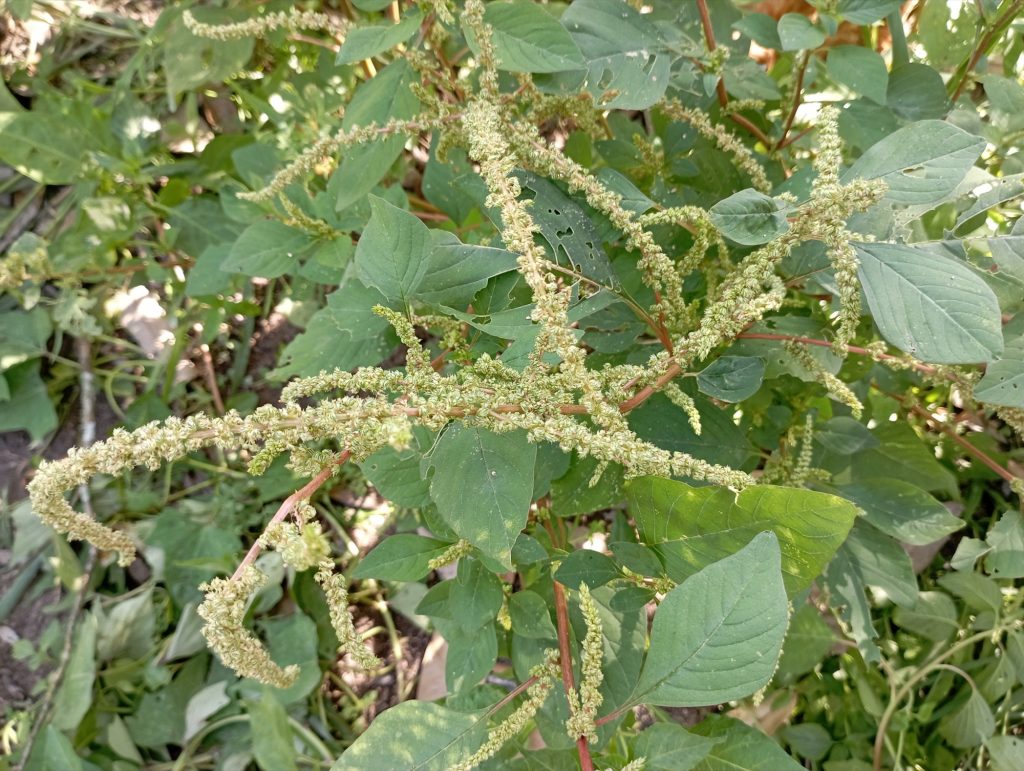
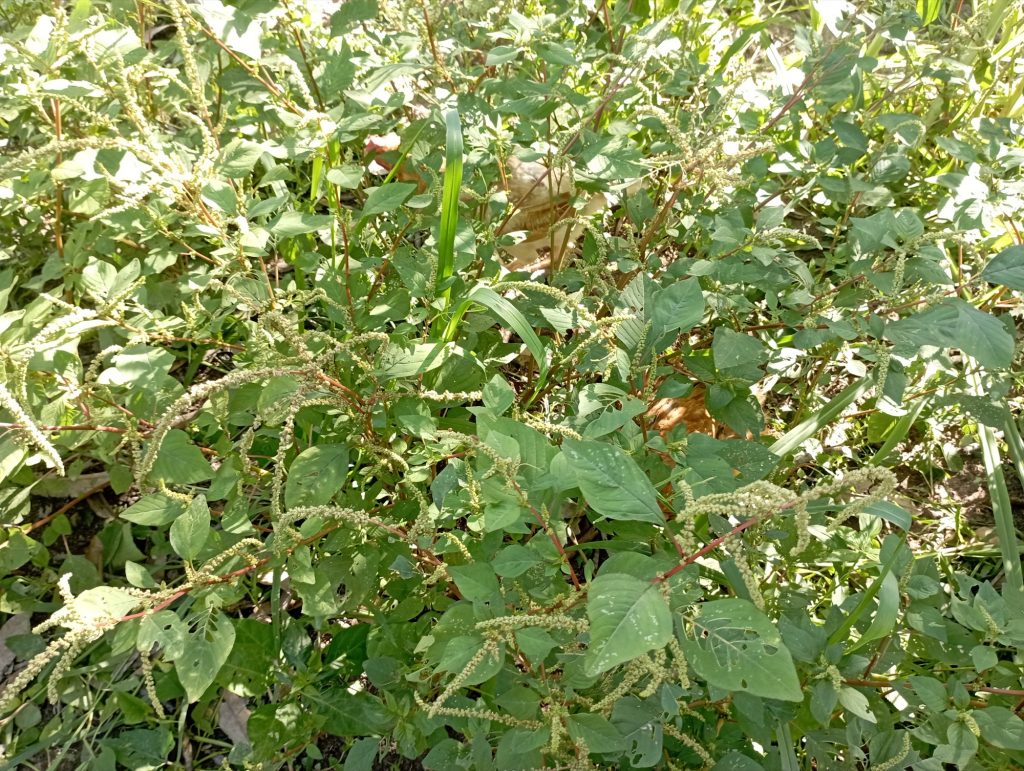
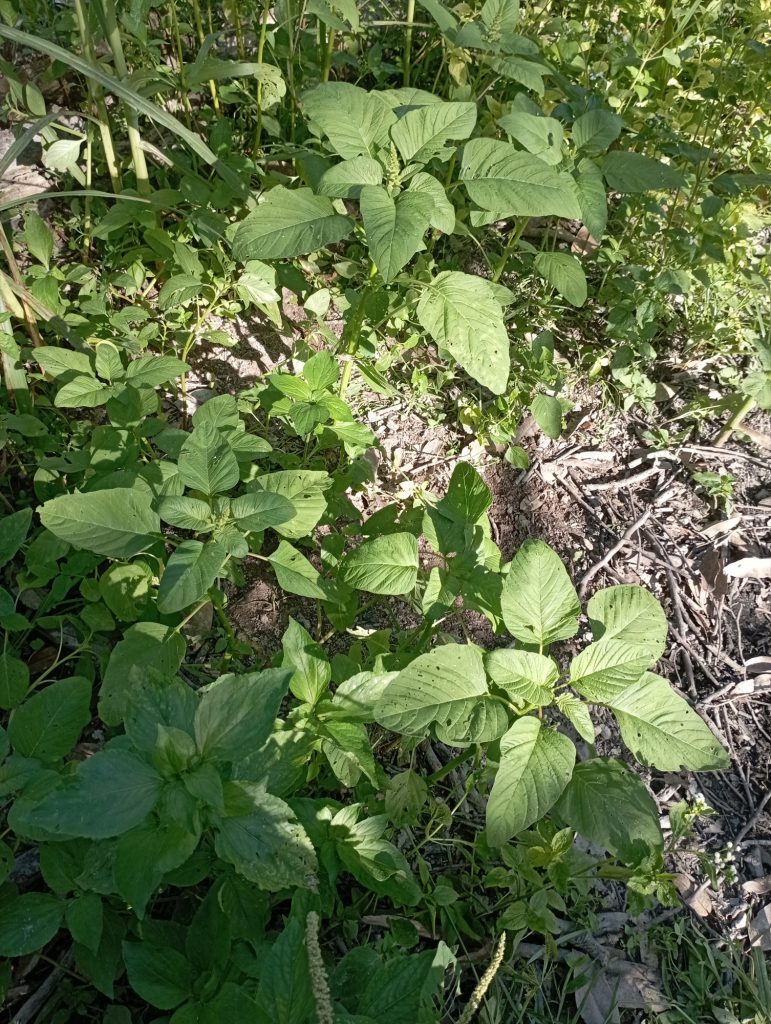
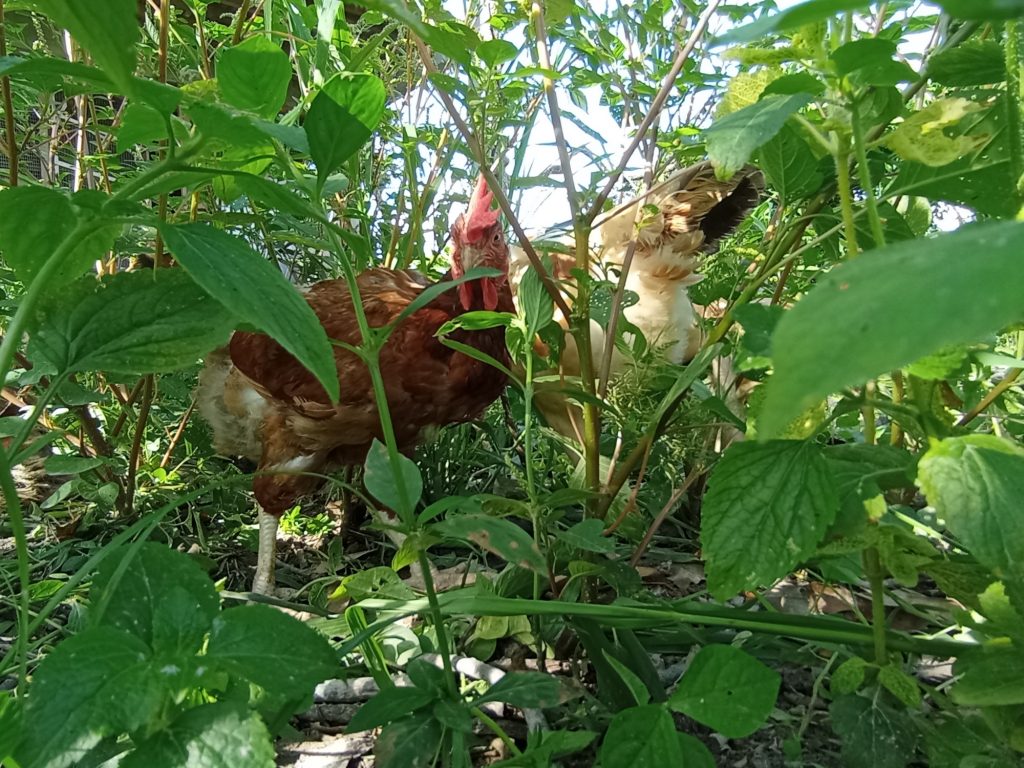
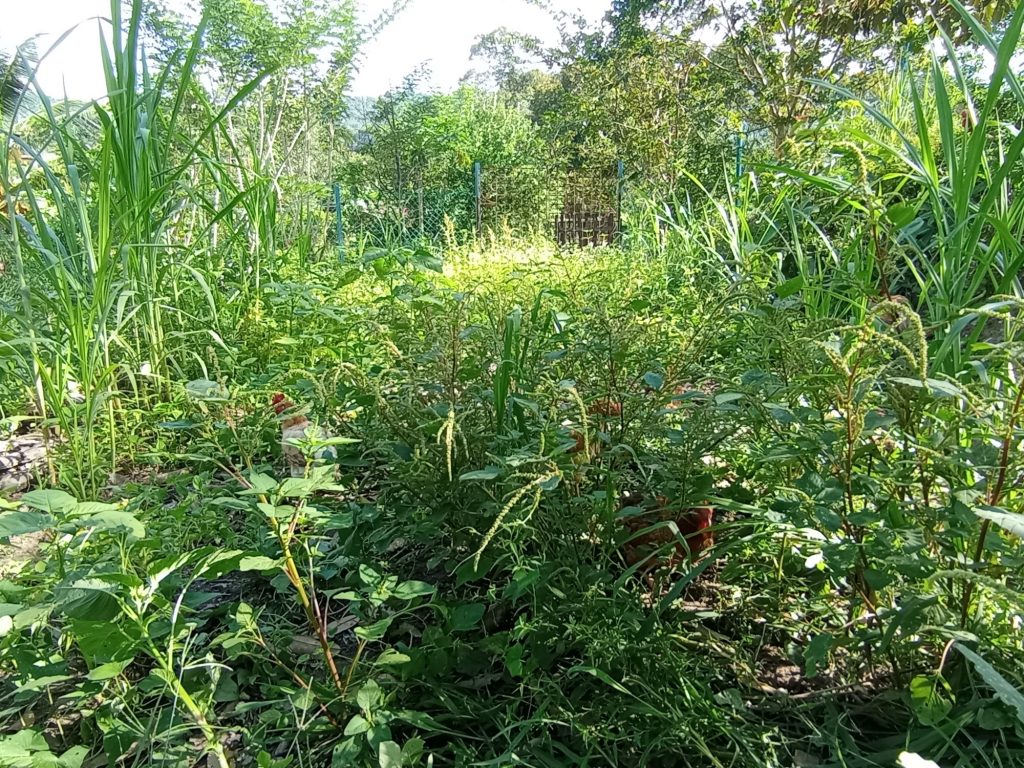
The field has been seeded with amaranth and it does have a diverse mix of vegetation which attracts various types of insects. The different plants’ root structure attract different microbes and their leafy mass serve as habitat for a large range of bugs, all of which contribute to the chicken’s dietary needs. Hence, this is where biodiversity holds great value in attracting a host of living things that contribute to the health of both animals and soil. Once this pasture is almost razed to the ground, the chickens will then be moved to another field to allow this field to rest.