
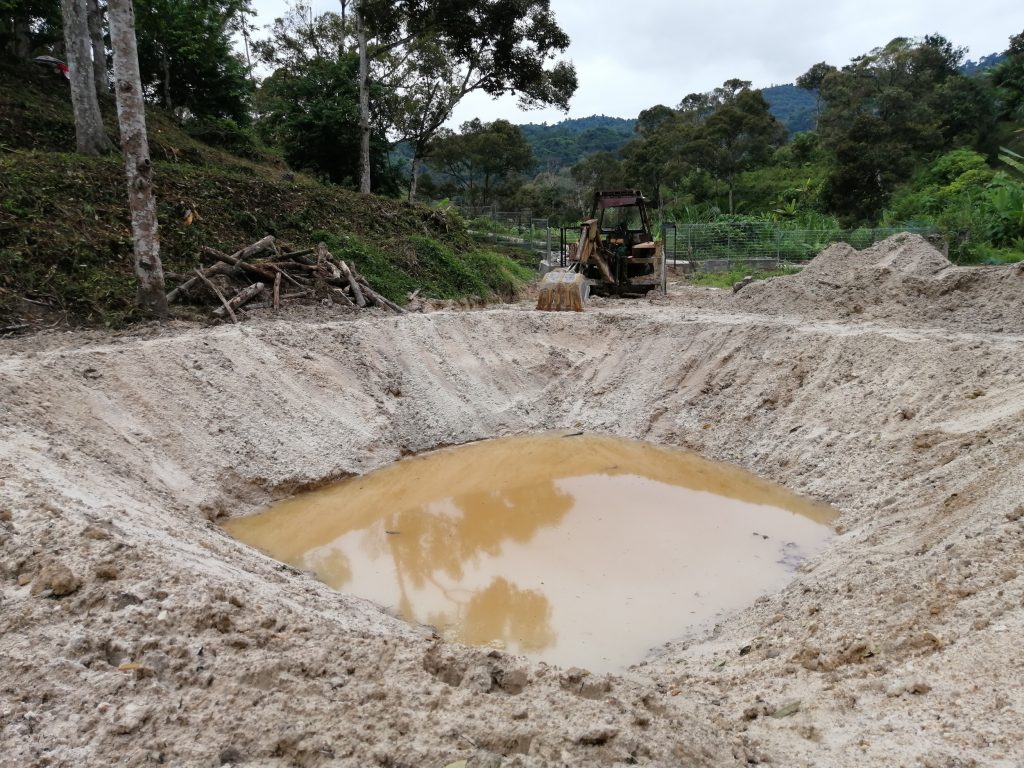
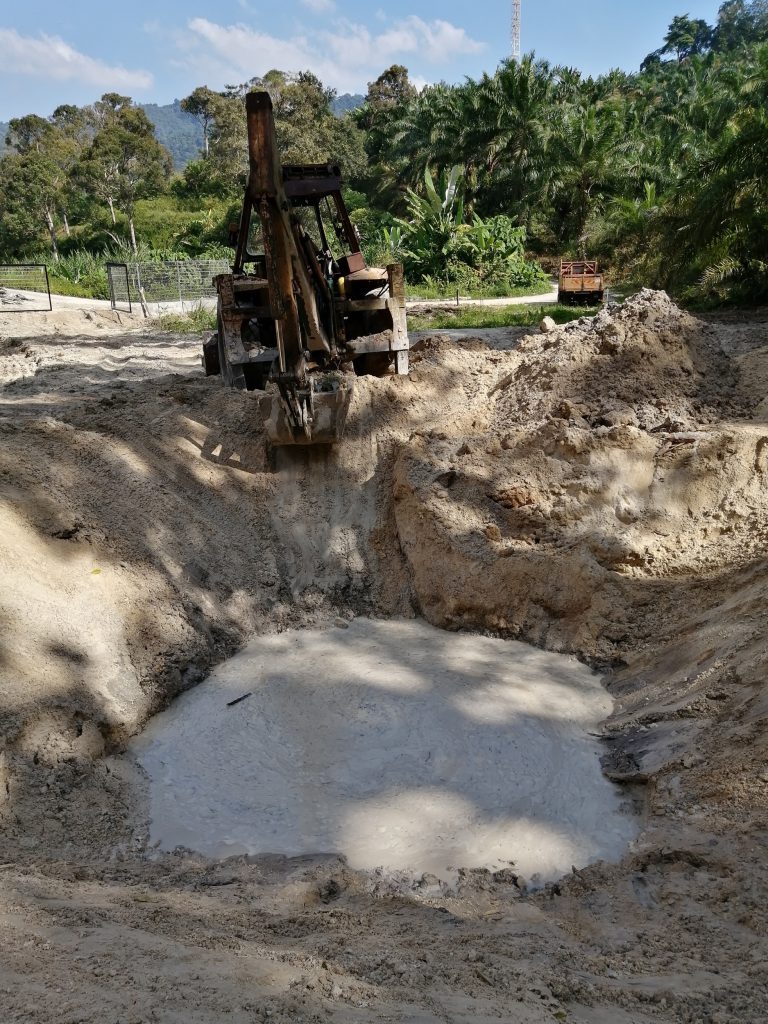
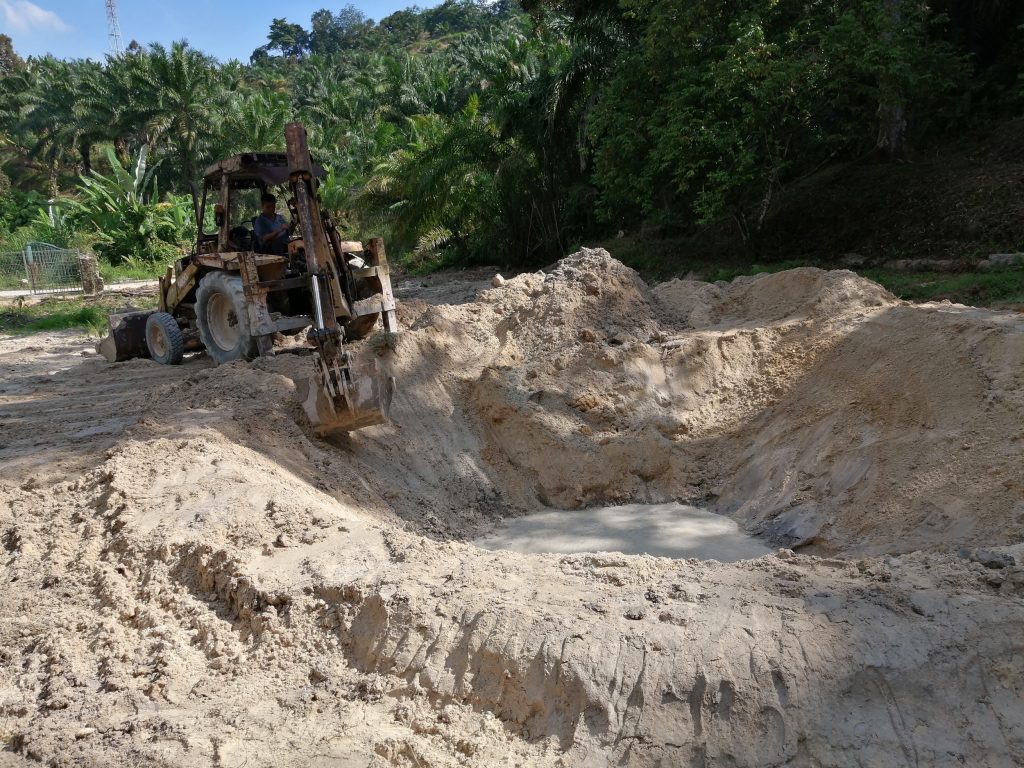
A find more precious than gold. Puncturing the water table underground and getting natural spring water at the farm is one of the biggest milestones achieved thus far. However, this is just the first self-replenishing pond (POND 1). There will be another bigger and second self-replenishing pond (POND 2) to be dug later. These two series of connecting ponds will be used to clean water, rear fish and become a natural habitat for birds and insects. More importantly, they serve as a backup/secondary water source (to be pumped) for the farm in case the primary dam fails.
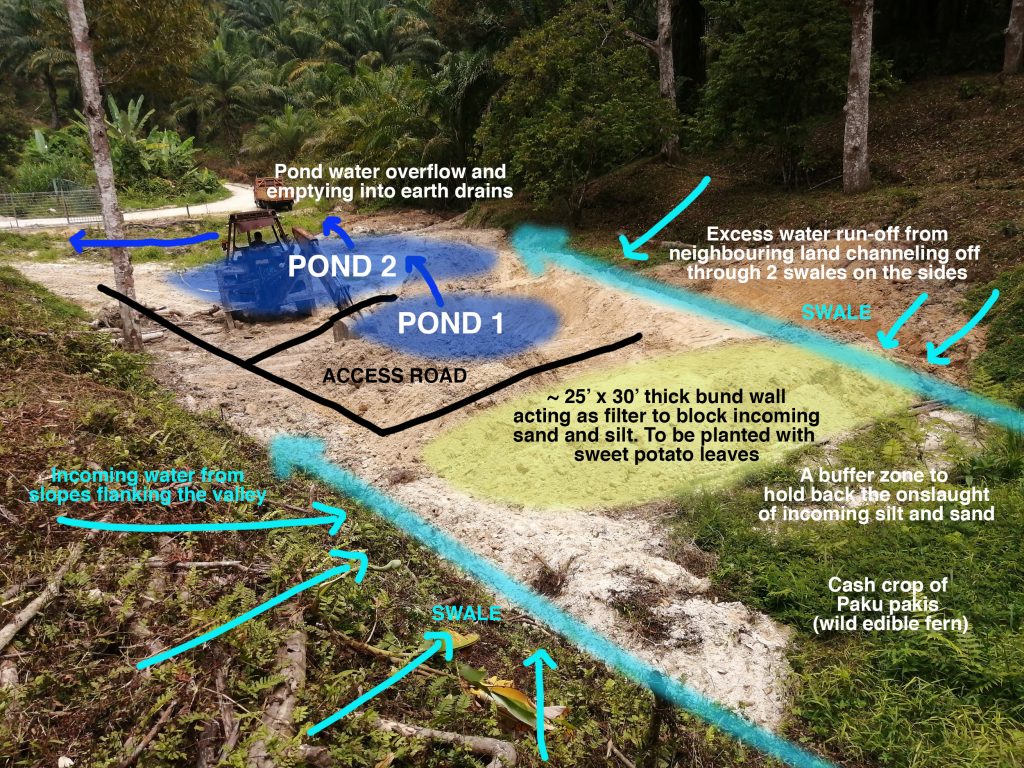
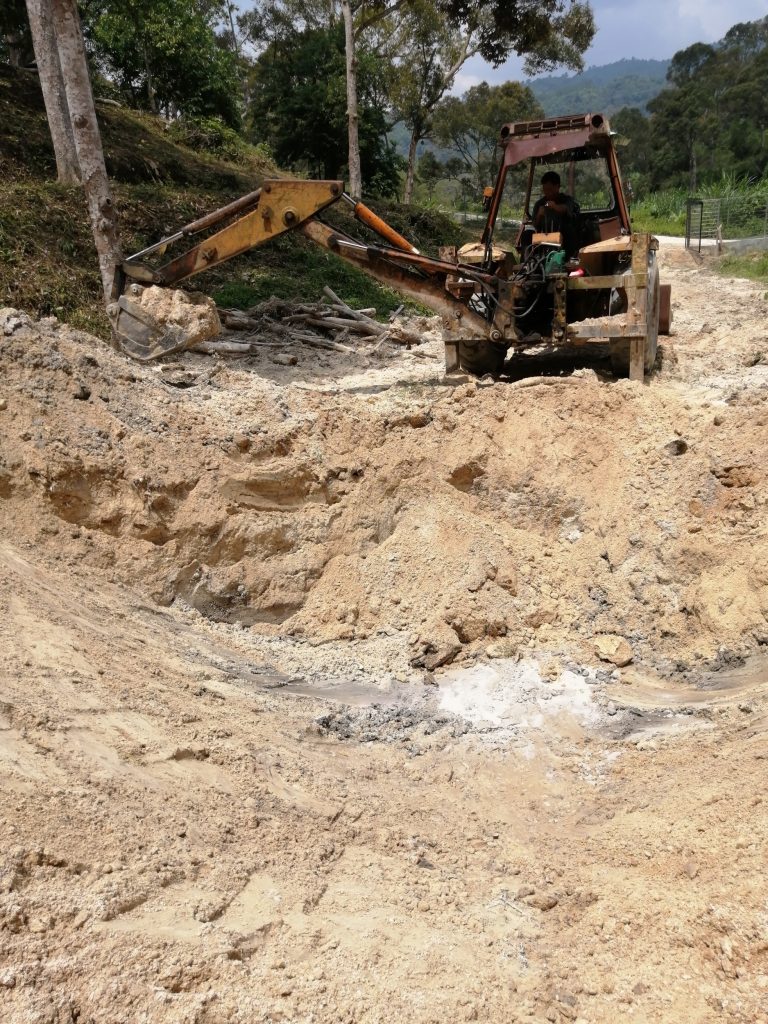
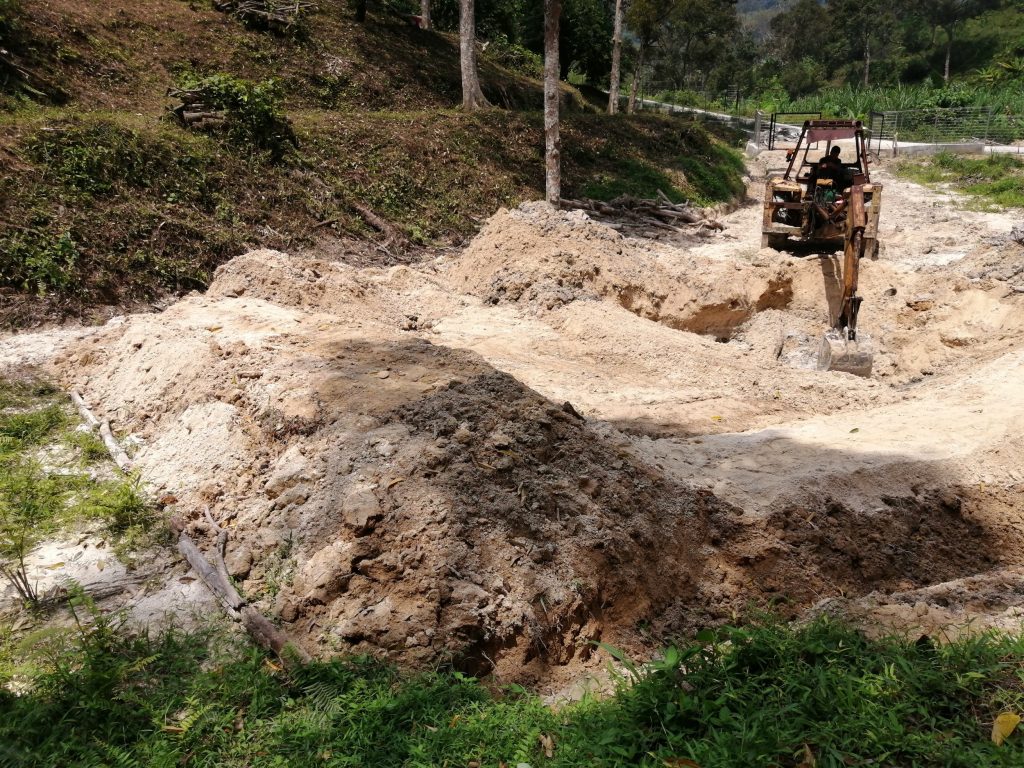
More importantly, this section of the farm at zone Sasha which was formerly thought to be undesirable and difficult to make sense of (because of its swampy nature) is now fast becoming a notable “black horse” for its immense and immediate income-generating potential it holds (i.e. fish, sweet potato leaves, bananas, wild edible ferns, etc). All this is done via careful permaculture design thought processes to harness the flow of water, redirect, capture and store nutrients. Once the earthworks are done, specific vegetation will be put in place to capitalise on the suitability of the location based on microclimates created.
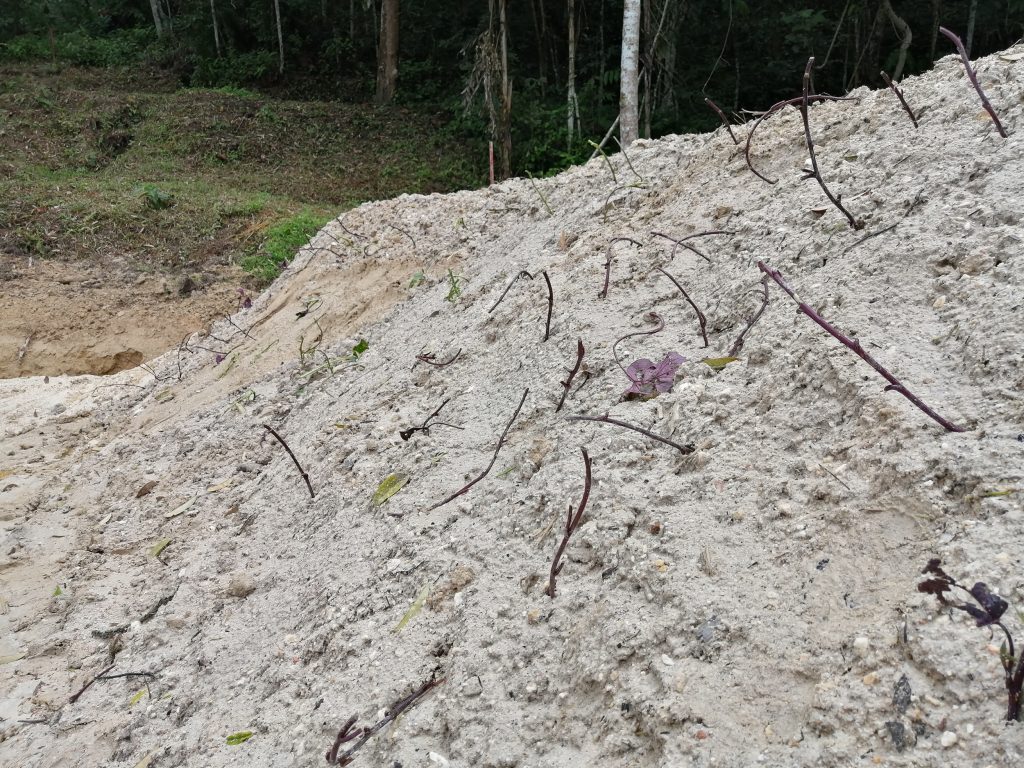
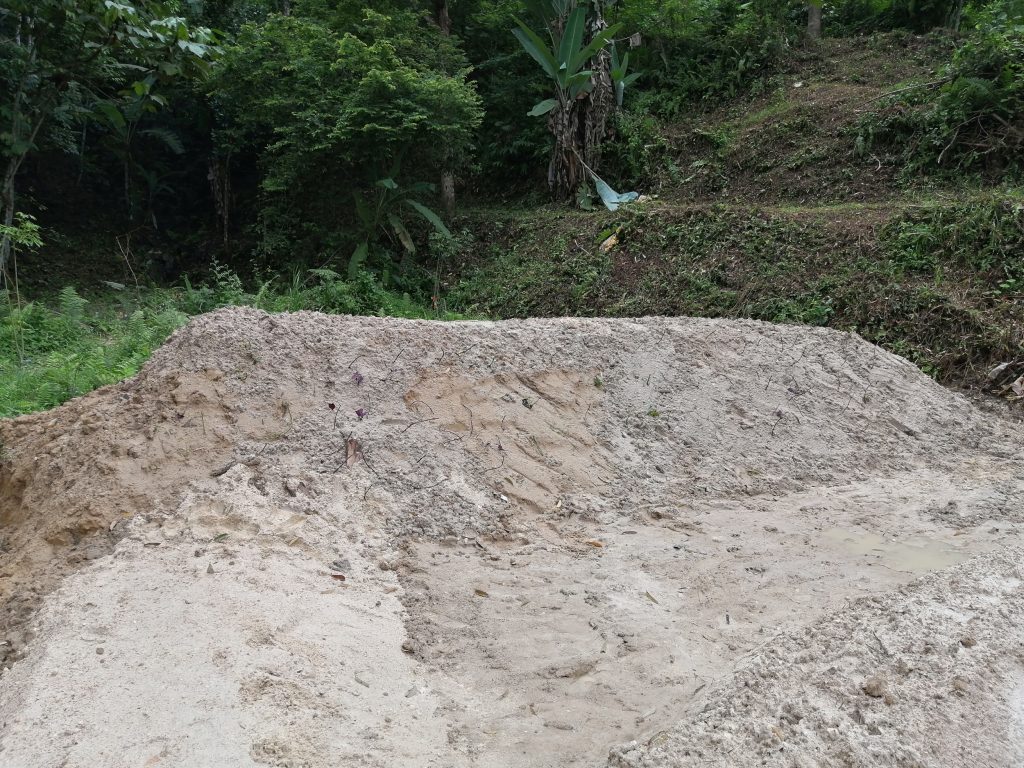
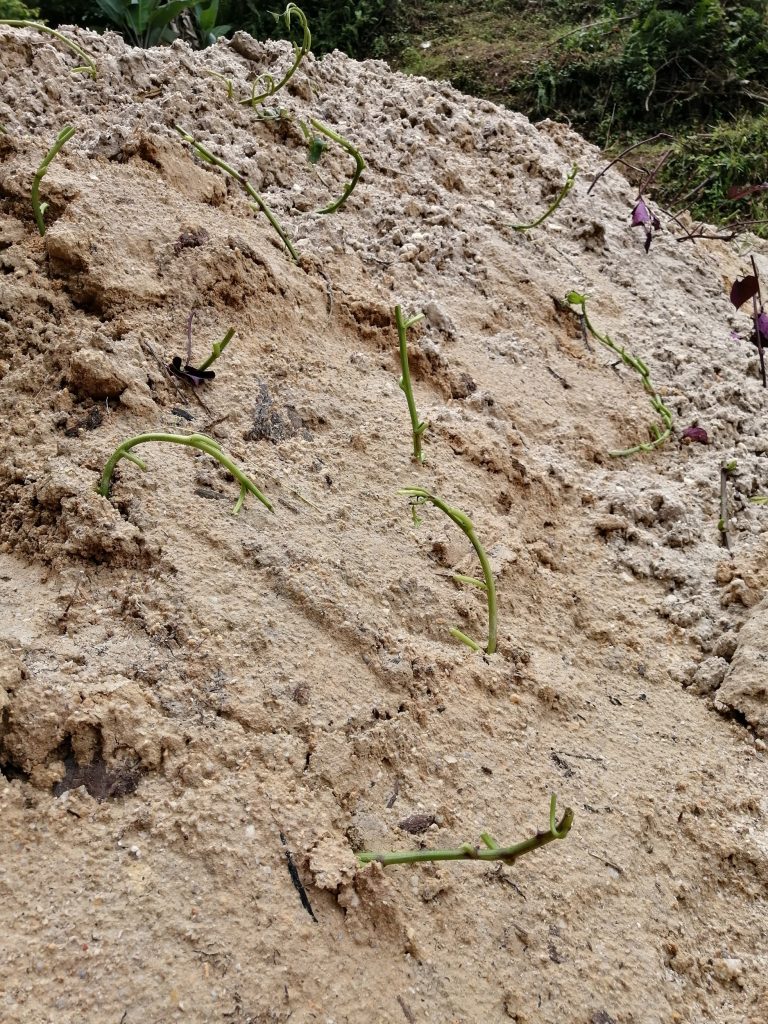
This swampy area at zone Sasha used to be a bog 5 years ago. Over the years, silt and sand have been washed over it, raising the soil level by over more than 4 feet high. Because it was a bog prior to this, I have reason to believe it has a very high water table content, hence the decision made to dig a pond in this location.
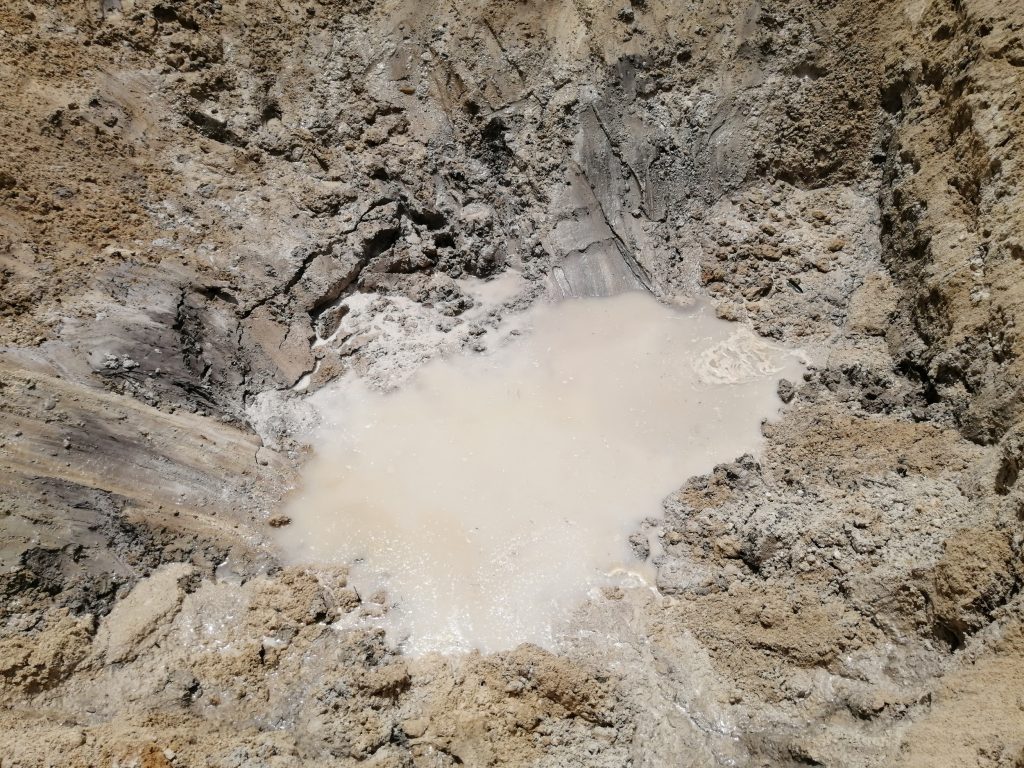
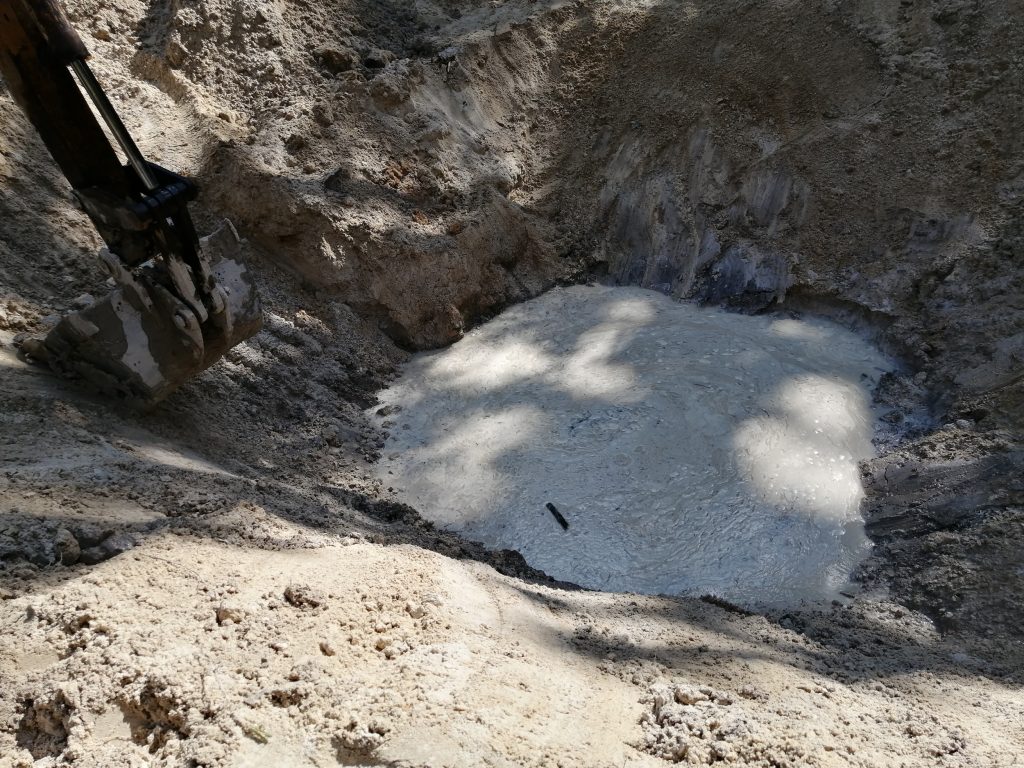
Digging into it past the 4 feet mark proved my hypothesis to be true. It’s an interesting sight indeed to be witnessing water pouring out from underground as the soil cracked with the constant stream of water exiting the ground. The glistening sparkle of water caught my attention from a distance and upon closer inspection revealed that water was indeed gushing out from underground! It was just a matter of hours before this first self-replenishing pond at zone Sasha filled up.