
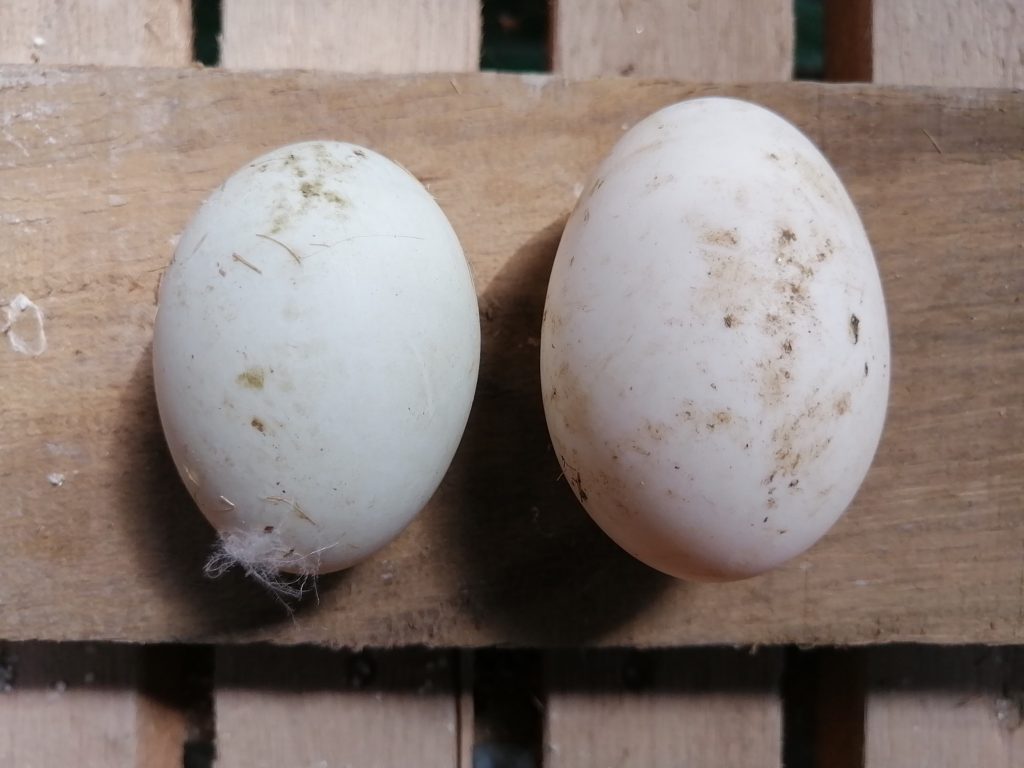
I’ve just sold a batch of 38 naturally-raised free range duck eggs to a discerning customer who consumes them for breakfast. It’s a mixture of both small and large sizes coming from the currently 104 ducks (itik telur and Muscovies) that I have. The sales transaction was at RM 55 inclusive delivery. The small ones go for RM 1.10 per piece and the large ones go for RM 1.30 per piece. After a hard day’s work, managing, running around, packing and delivery, all for RM 55 and that’s considered a good sales from a single customer. I wonder how many RM 55s I can make in the coming few weeks in the face of financial difficulty.
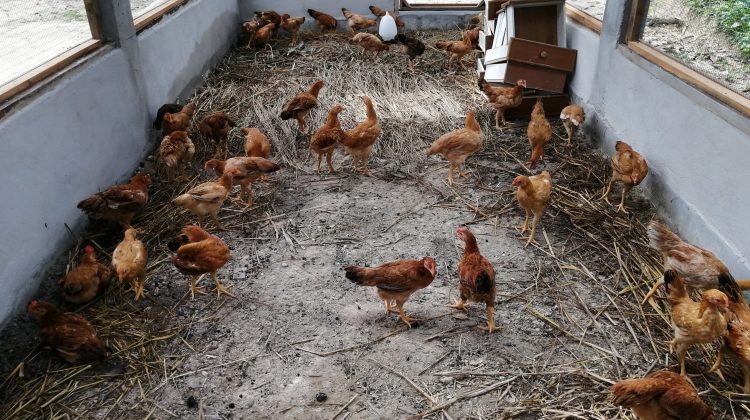
I’m currently averaging about 14 to 21 naturally-raised free range duck eggs collected per week for sale. It just so happen that a couple of the ducks in this batch of 104 ducks I brought in are of a good matured age for egg-laying (between 6 to 10 months old); much sooner than the 86 free range coloured broilers I have (around 5 months of age now). Unfortunately, the difficulty I faced in trying to sell them makes me understand why chicken eggs are much more popular in demand, or so it seems.

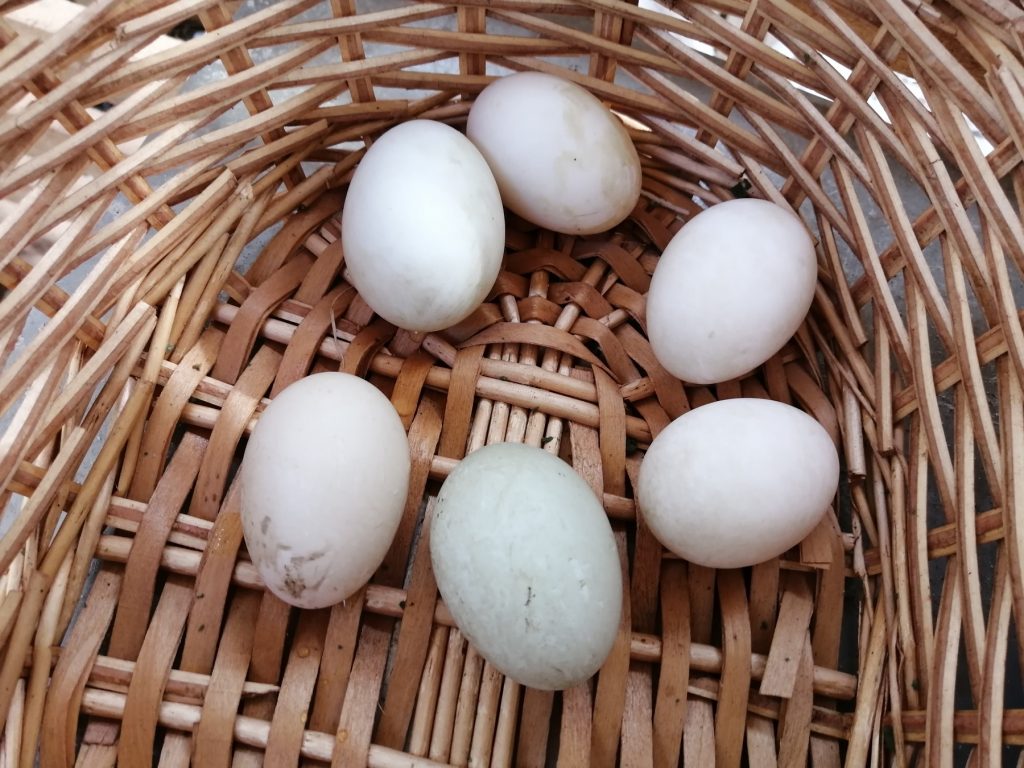
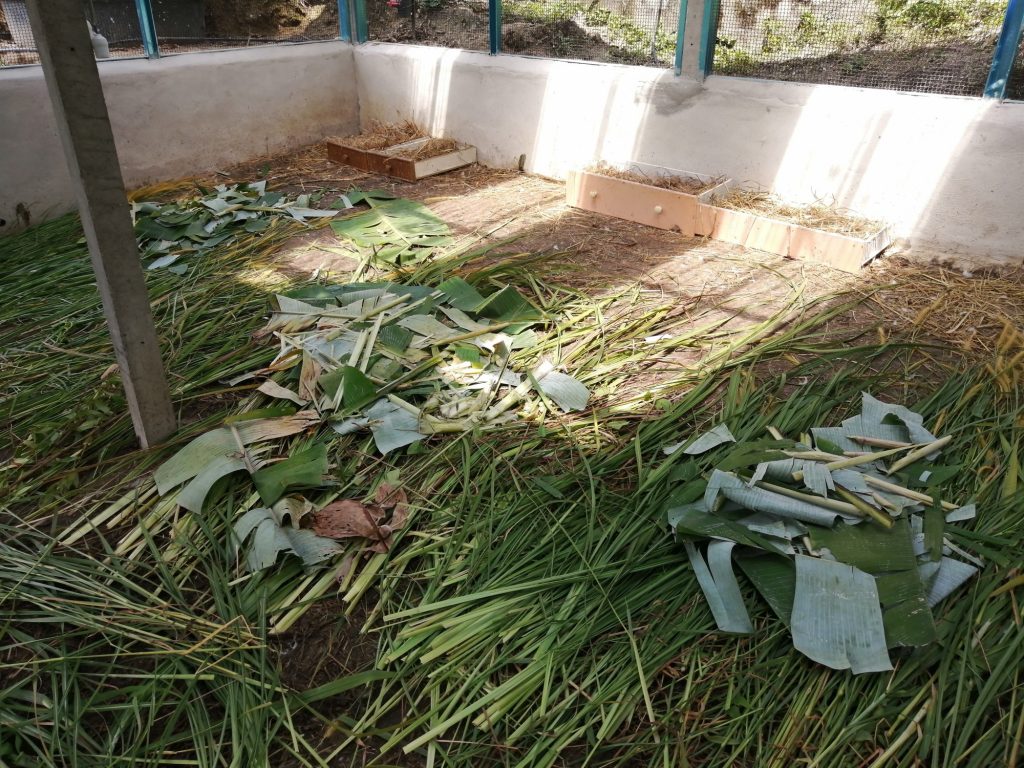
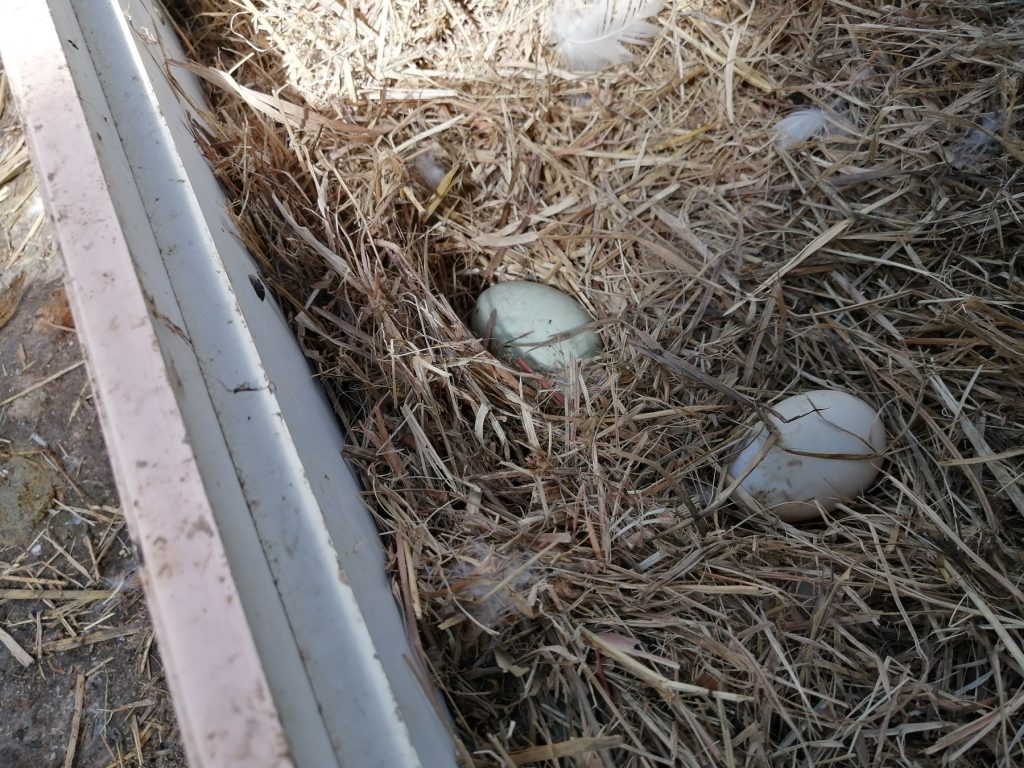
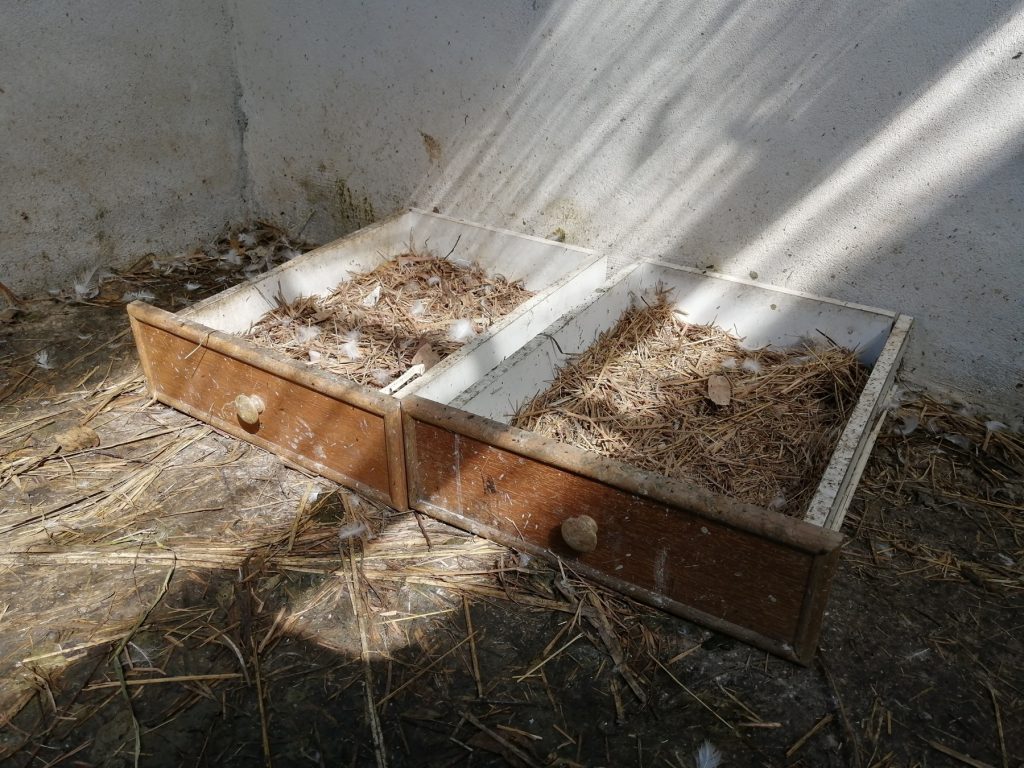
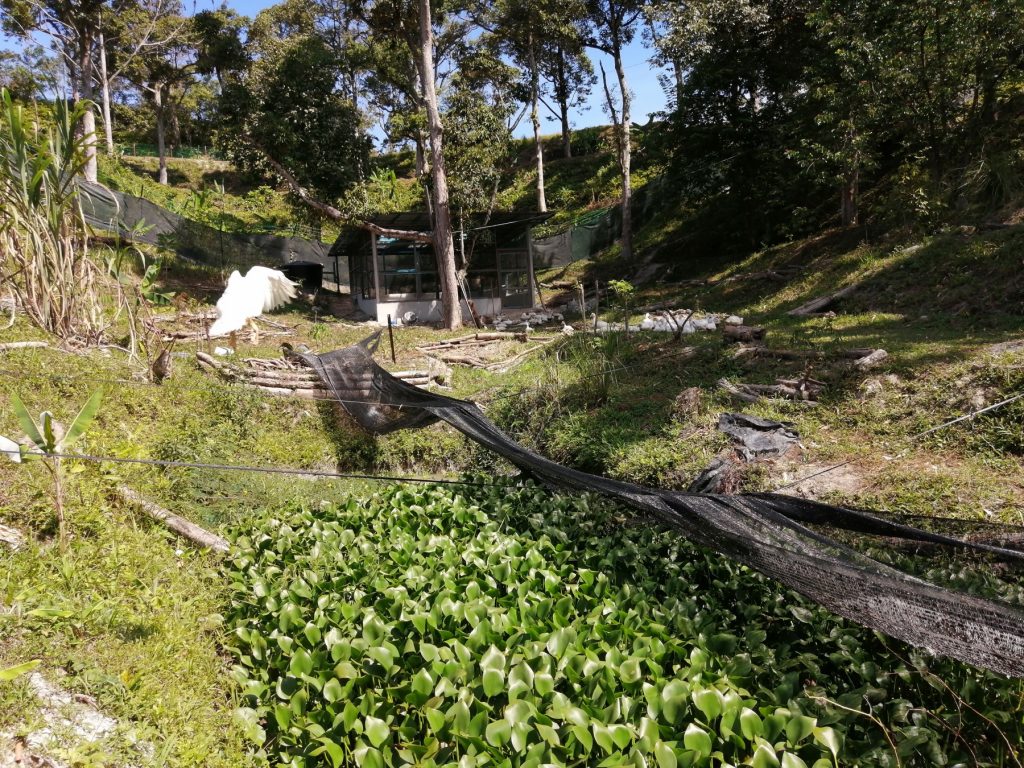
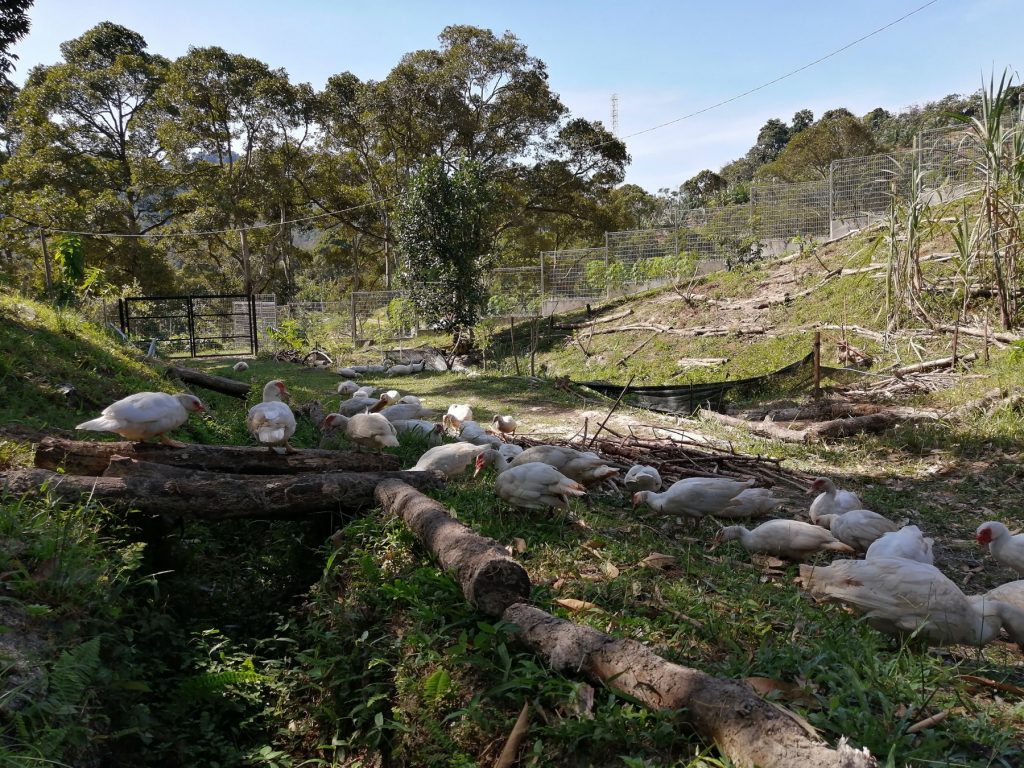
Often used to make salted eggs, duck eggs apparently are seldom eaten as it is. I may be wrong. A couple of checks with some prospective customers revealed that they prefer chicken eggs over duck eggs. However, all is not lost. These ducks perform a very important function at this part of the farm to keep weeds down in addition to fertilising the surrounding fruit trees and fish pond.
Contrary to common practice of monoculture or non-integrated livestock farming practice elsewhere where ducks are simply raised to obtain eggs for sale (utilising store bought commercial feed), a permaculture approach ensures a more holistic reaping of multiple benefits from the introduction of just a single farming component. These multiple benefits range from suppression of unwanted vegetation, soil enrichment and pest control apart from the usual eggs and meat produce obtained from the ducks themselves.
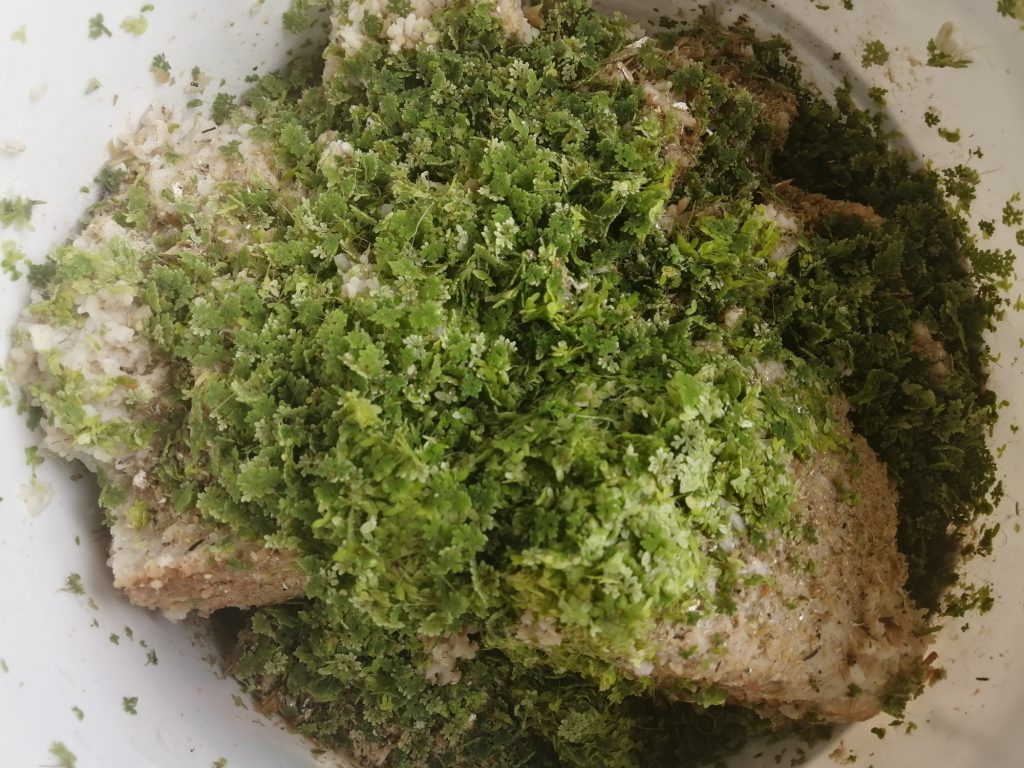
The ducks are released to free range daily for at least 7 hours. They are fed a mixture of broken rice, anchovy heads (kepala ikan bilis), azolla, duckweed, moringa and a mixture of other cut-and-carry vegetation (banana leaves/trunks, kitchen scrap, fruits) in the evenings when in the coop. Otherwise, during free ranging, their dietary needs are taken care of out in the open (grass, bugs, worms, snails, water hyacinth, etc). In the very near future, they will be intensively fed with azolla (in the process of producing large scale), ketum ayam (Trichanthera Gigantea) and indigofera, all of which would further enhance the nutritional qualities and deepen the color of the egg yolk.
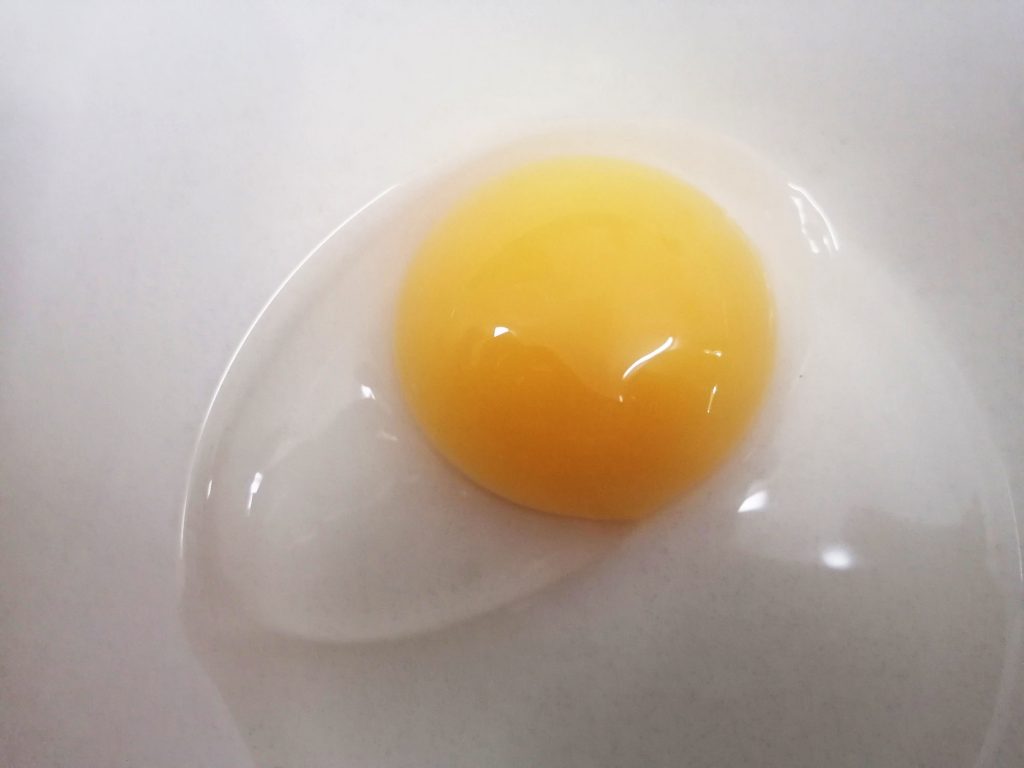
One thing I realised about ducks is that they are really dirty animals. They poop in their nesting boxes no matter how clean you keep them. Sometimes poop ends up smeared on the eggs. Eggs are even laid on the ground in the fields. More often than not, eggs are laid in the coop’s ground and get knocked around a fair bit in mud until I collect them in the morning. Those are the most dirty ones. Whatever the case, all our naturally-raised duck eggs for sale are collected on a weekly basis and are not washed (minimal dry scrubbing to remove crusted manure and mud). They should not be washed until consumed because they contain a natural antibacterial coating.
My Kampung Life’s free range duck eggs are naturally raised (by virtue of food intake and free ranging practice) and are not (will never be) referred to as “organic” because of the perceived negative connotations (at least personally) associated with the much loosely used term of being “organic”. This phenomenon is aggravated by the popularisation of questionable food grown in hydro/aquaponic soilless setups rampant in urban farms who have vilified soil-based natural farms as destructive agents of environment in terms of chemical pesticides/fertilizers used, pollution of ground water, water wastage, climate change, etc. The list goes on, a topic which would deserve a future post.
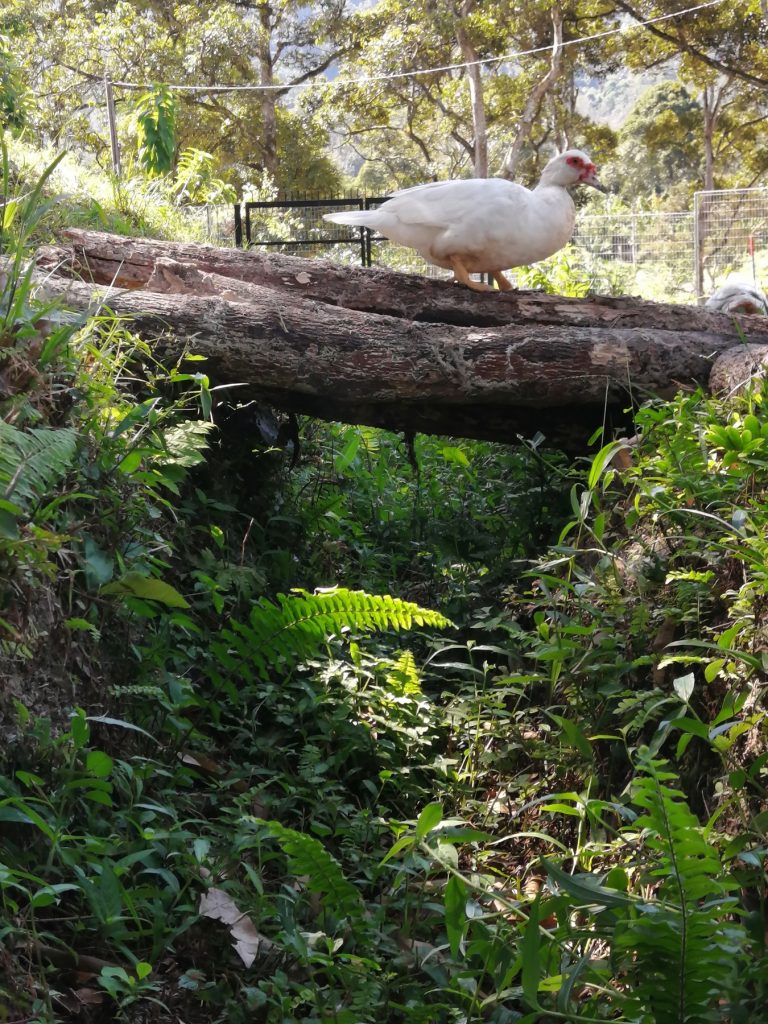
I believe there will always be certain segments of people who would question the authenticity of the claims made on the naturalness. I believe and I strongly recommend such doubts to be raised directly with me so we can have a conversation and I can address any questions accordingly. One may think potentially dodgy “backyard farms” lack credence. In fact, the very limitations of being a small-scale farmer works to my advantage at least on the front of being seen as having everything to lose on account of untrustworthiness. So, please give me a call and have a chat about the welfare of these ducks made possible with my iSinar EPF retirement fund hard-earned savings. People deserve to know exactly how their food is grown.
Meanwhile, I would be resorting to selling direct to consumers via friends, word of mouth, old-fashioned flyers in mailboxes at my apartment and those within my neighbourhood, besides the usual social media. Perhaps, even putting up an ad on my car parked at the basement. Whatever it takes to get the word out, and survive as a cash-strapped gen-Y in this pandemic.